Skip to content
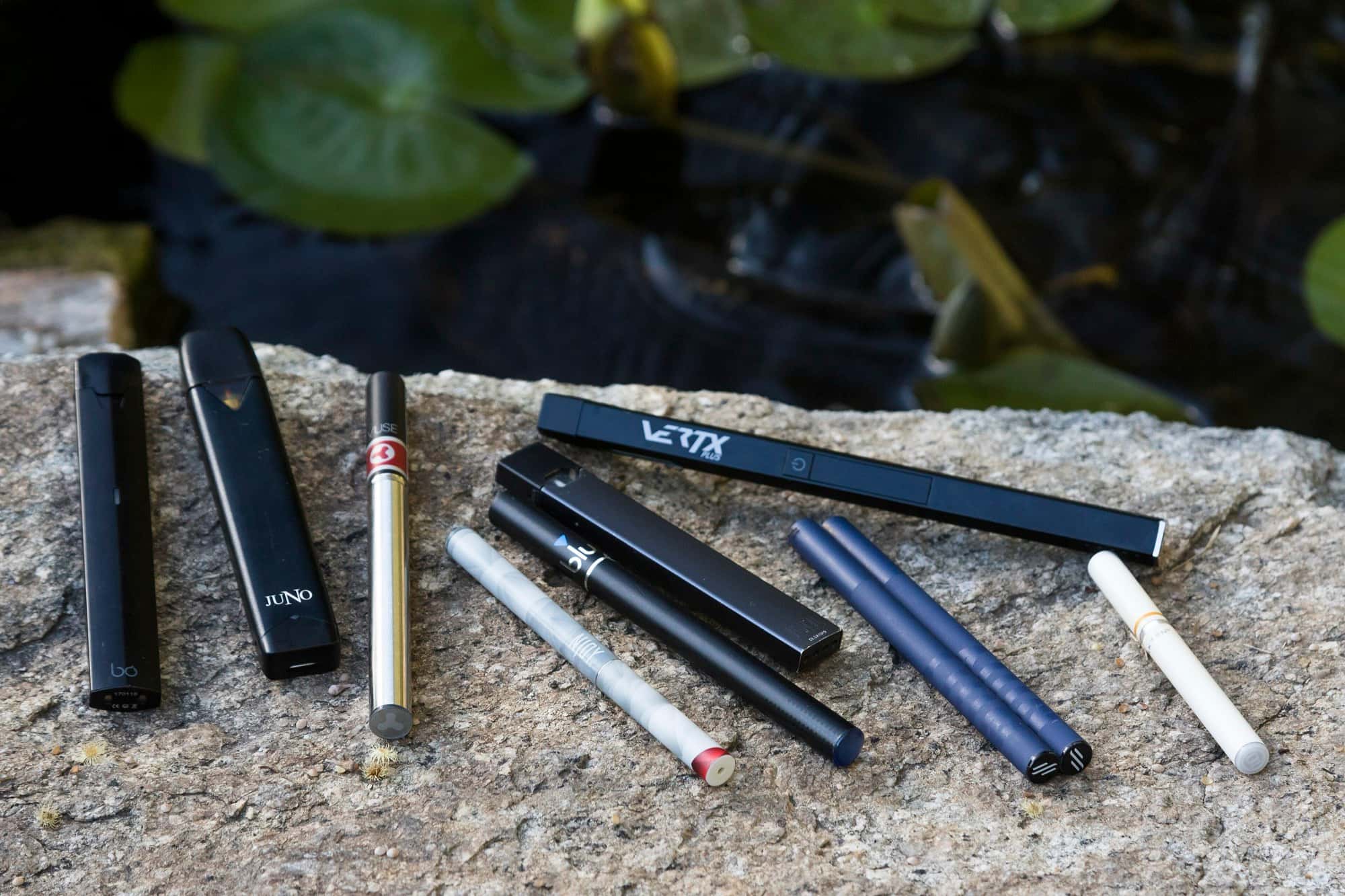
Flavored vaping productsPhoto: Sarah Johnson from Irvine California, United States · CC BY 2.0

Chapter 02 · Food & Tobacco Industry Capture

Big Food and Big Tobacco got a seat at the table

Food dyes are still on shelves. The FDA chief was pushed out for moving too slowly on flavored vapes. Beef and dairy insiders shaped the new food pyramid. And lettuce from a company that gave $1 million to Trump’s super PAC was linked to a deadly outbreak.

Brightly colored candy

Food dyes

2026 → 2027

the FDA’s own phase-out deadline, quietly pushed back a full year

Case 01

Promised: Phase out petroleum dyes

All talk on synthetic food dyes

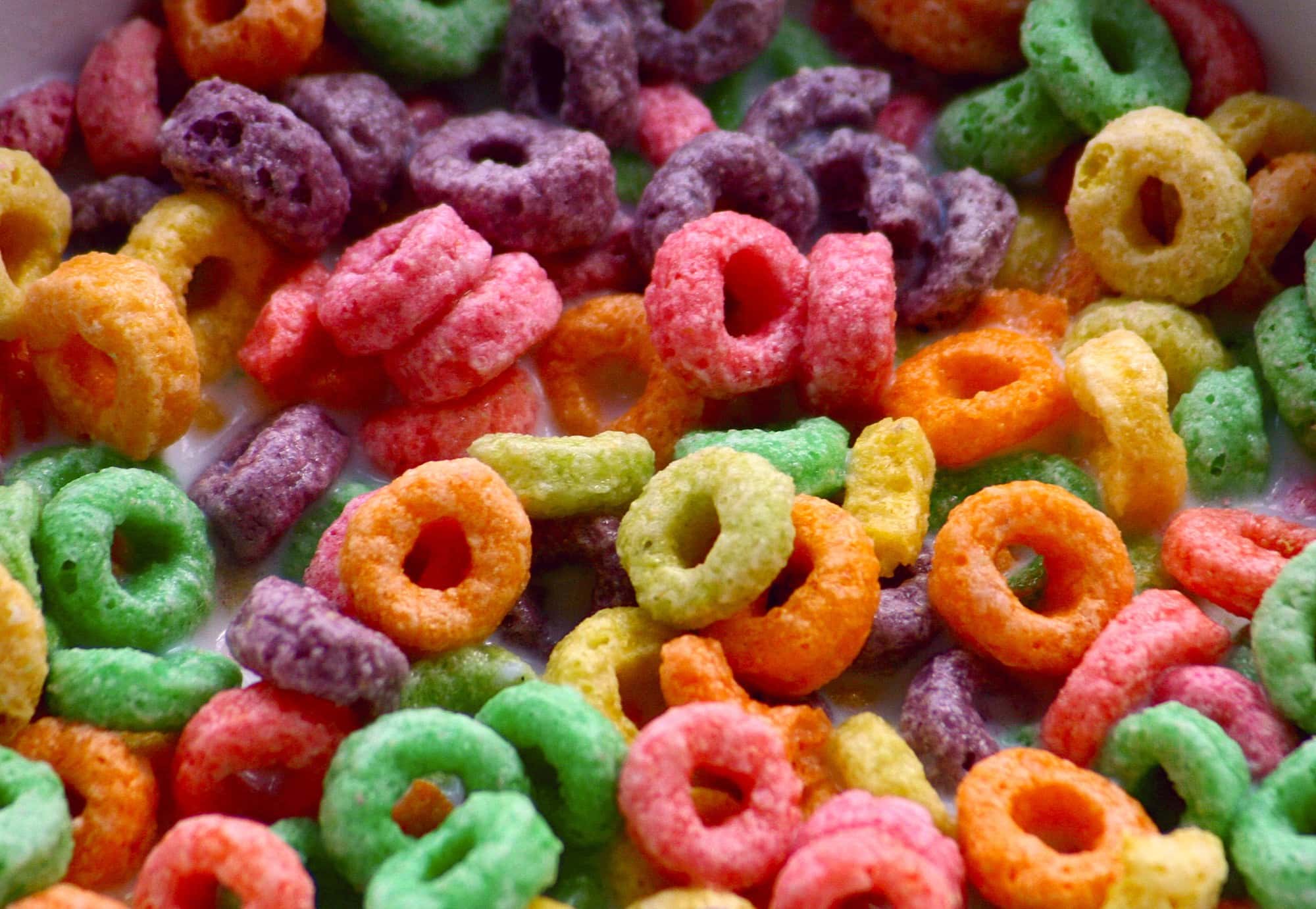
More than a year after Kennedy’s high-profile announcement of a food dye ‘phase-out,’ the FDA has not introduced the regulatory documents needed to establish a safety case against the dyes, and the agency’s own timeline has quietly slipped a full year, from the end of 2026 to the end of 2027.

Major food companies including Coca-Cola, Mondelez, and Unilever have made no concrete commitments, and no drug companies have pledged to remove dyes from medications.

5 sources cited
Ultra-processed foods

6 mo

Kennedy’s ultra-processed food letter has sat untouched at the White House

Case 02

All talk on ultra-processed foods, too

In March, Kennedy drafted a letter to the White House praising a citizen petition from former FDA Commissioner David Kessler and calling on food companies to produce safety studies proving common ultra-processed ingredients like high-fructose corn syrup and refined flours don’t contribute to chronic disease. Food experts called it a potentially historic opening to force industry reformulation.

Six months later, nothing has happened: the letter is still sitting at the White House, a companion effort to formally define “ultra-processed foods” was delayed at the last minute after reaching final review, and food industry groups — who have publicly opposed the new definition as confusing and costly — have spent the intervening weeks in “formal meetings” with the same White House and health officials sitting on Kennedy’s request.

1 source cited

Vapes & Zyn

$5M

Big Tobacco check to a Trump super PAC — then flavored vapes got their way

Case 03

Big Tobacco buys access at every level

In May, RFK Jr. dutifully followed Trump’s order to push FDA Commissioner Marty Makary out the door for not moving fast enough to approve flavored vapes and nicotine products — a major no-no for MAHA leaders — after a $5 million big tobacco check to a Trump super PAC and a fancy golf course luncheon between Trump and big tobacco/vape lobbyists.

Kennedy’s FDA then authorized Zyn nicotine pouches to be marketed on their health benefits — around the same time Trump’s own stock holdings in Zyn maker Philip Morris grew to as much as $1.64 million. A former FDA toxicologist later revealed the agency approved Zyn without even reviewing its potential for microplastics exposure.

Meanwhile, HHS’s mass layoffs gutted CDC’s Office on Smoking and Health — cuts one former director called the greatest gift to the tobacco industry in the last half-century — and the FDA fired its entire tobacco enforcement team, then scrambled to beg them back after realizing enforcement against retailers selling to minors had completely stopped.

9 sources cited

Kratom

12 days

between kratom executives’ donations and Trump’s DOJ dropping its case

Case 04

The kratom quid pro quo

Kennedy personally pressured Ohio’s governor to abandon a state ban on kratom — a controversial addictive substance linked to thousands of deaths — on behalf of an ex-con manufacturer who subsequently funneled $1 million to a pro-Trump PAC. The administration then delivered a formal regulatory win to its kratom allies.

In another case, Trump’s DOJ dismissed its case against a kratom manufacturer in December 2025, just 12 days after that company’s leadership made significant donations to Trump-aligned groups. The Senate Finance Committee has since opened an investigation into whether Kennedy’s HHS softened both kratom and tobacco policies in exchange for industry donations.

4 sources cited

Packaged beef in a grocery store case

Dietary guidelines

$1,012

more per year in groceries for families trying to follow the new guidelines

Case 05

RFK’s food pyramid — built by beef and dairy insiders

Kennedy unveiled his new dietary guidelines by attacking the “corporate-driven assumptions” of past recommendations, while FDA Commissioner Marty Makary blasted the old “corrupt food pyramid.” But the panel that shaped the new one was riddled with undisclosed-until-now industry ties: at least four of the nine panelists had recent financial relationships with beef or dairy groups. The National Cattlemen’s Beef Association, General Mills, and the National Dairy Council all turn up in the committee’s disclosures.

Even the alcohol lobby successfully watered down the guidelines’ alcohol recommendations through a systematic lobbying campaign that exploited the chaos of the process.

And the beef-and-dairy-heavy pyramid comes at a real cost: a market analysis released in April found the new guidelines would raise annual grocery bills by nearly a third, or $1,012 more per year, for families trying to follow them — while grocery prices remain 2.7 percent higher than a year ago, beef prices sit at record levels, and fruit and vegetable prices are up more than 5 percent.

5 sources cited

Rows of lettuce in a field

Food safety

$1M

to MAGA Inc. from Taylor Farms’ parent — six days after FDA delayed food traceability rules

Case 06

Food industry buys a friendlier FDA. Americans spend months dodging lettuce.

Six days after the FDA announced a 30-month delay in enforcing the Food Traceability Rule — the recordkeeping standard designed to help investigators trace contaminated food back to its source fast — Taylor Farms’ parent company cut a $1 million check to Trump’s super PAC, MAGA Inc., followed by another $1.2 million combined to GOP-aligned super PACs over the next year.

Fourteen months later, lettuce from that same company would be linked to this summer’s record-breaking cyclosporiasis outbreak, which would go on to sicken thousands, hospitalize hundreds, and kill two.

Asked in mid-July whether the outbreak might scare people away from the healthy foods MAHA recommends, Kennedy said knowing the risk would make it “much easier for people to make healthy choices” while the death toll and case count kept climbing.

2 sources cited