Skip to content
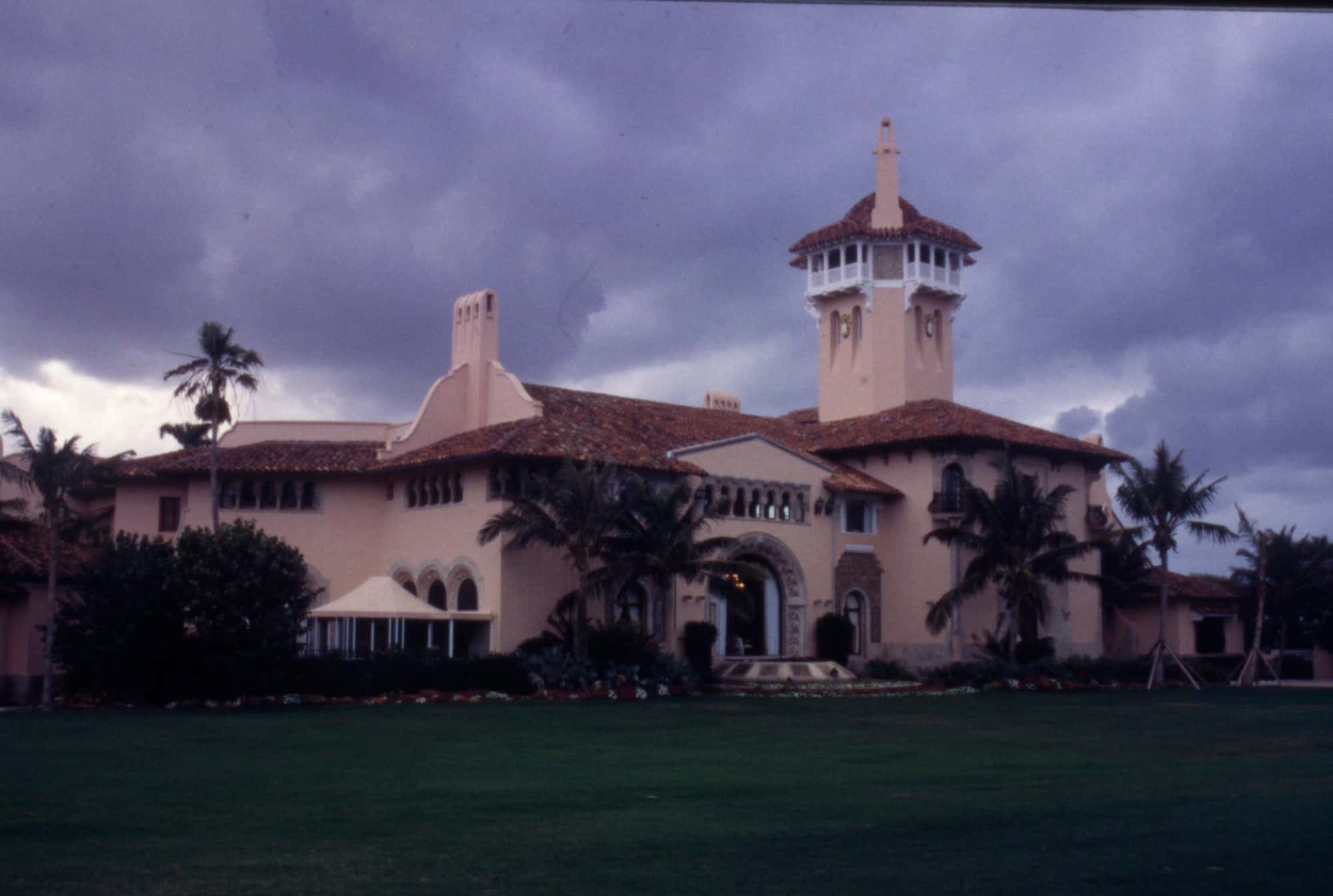
Mar-a-Lago in Palm Beach, FloridaPhoto: J. Cook for US National Park Service · Public domain

Chapter 03 · Broken Promise: End the Corporate Capture

“End the corruption.” Then the dinners started.

Kennedy promised to end corporate capture at HHS. Since then: Mar-a-Lago dinners with drug executives, $300,000 sponsorship packages, $250,000 in gifts from a donor, and more FDA staff leaving for industry jobs.

Big Pharma

$25,000

per person for cocktails and dinner with Kennedy at Mar-a-Lago

Case 01

Promised: End the corporate capture

He promised to “end the corporate capture.” He dines with Big Pharma at Mar-a-Lago.

At his swearing-in as HHS Secretary, Kennedy vowed to “end the corruption, end the corporate capture” of the agency by Big Pharma. Despite that vow, within days of his announcement as HHS Secretary, a super PAC backing Kennedy was charging $25,000-per-person for cocktails and dinner with him at Mar-a-Lago.

Before being sworn in, Kennedy attended multiple “million-dollar” dinners with Big Pharma executives at Mar-a-Lago — including Pfizer’s CEO, whose company gave $1 million to Trump’s inaugural committee.

Meanwhile, Kennedy’s promise to ban pharmaceutical ads on TV has gone nowhere: nearly two years later, no ban has been proposed, and drug ad spending has only continued to climb.

4 sources cited
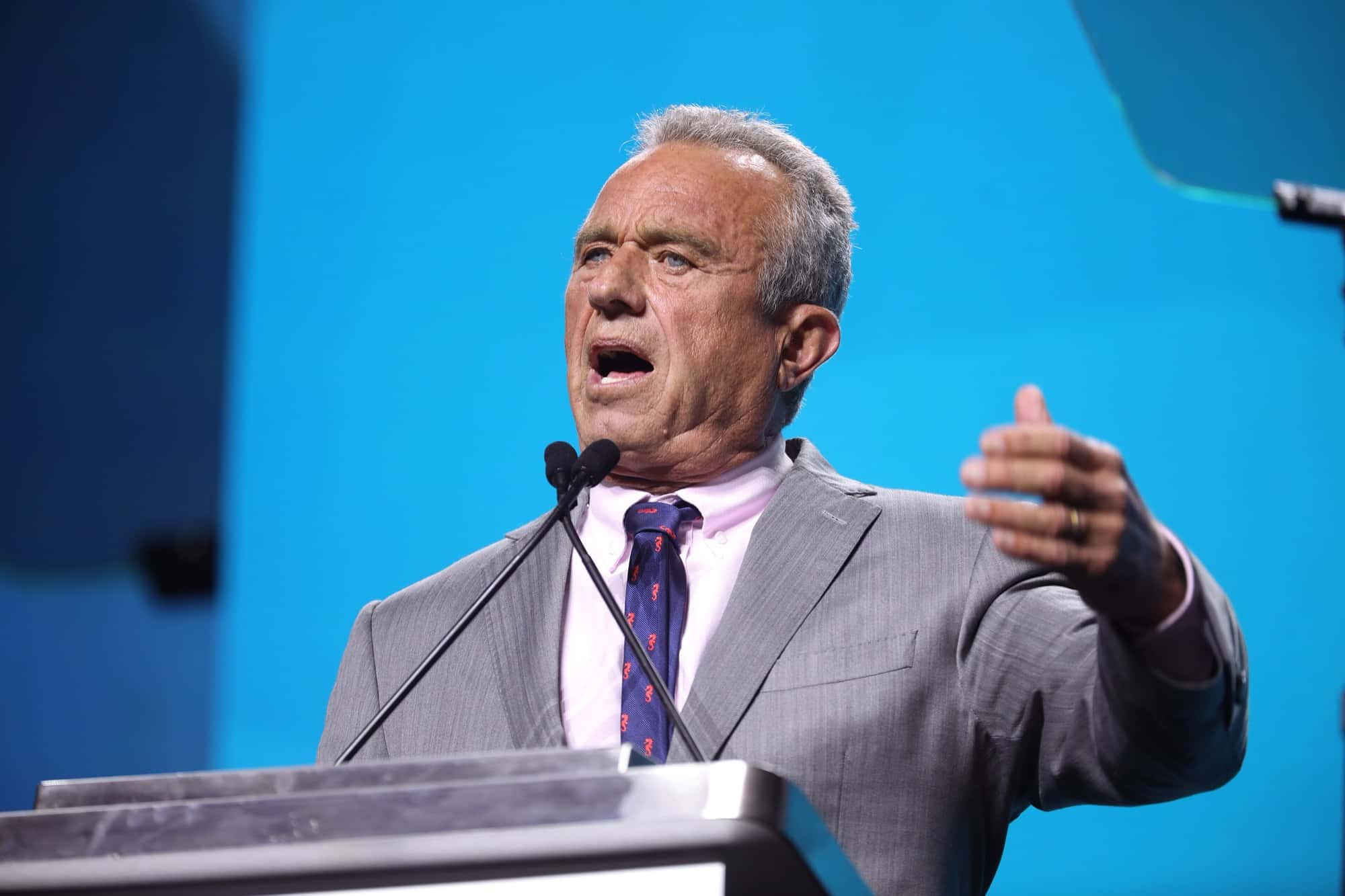
Robert F. Kennedy Jr. speaking at a podium

The MAHA Summit

$300,000

top sponsor tier: a speaking slot and a private dinner with Kennedy and Oz

Case 02

“This is complete corporate capture”

Ahead of a September 2026 summit, MAHA Center — a nonprofit run by Kennedy’s longtime book publisher Tony Lyons — circulated a sponsorship menu to companies and consultants; the top tier, $300,000, guaranteed a speaking slot and a private dinner with Kennedy and CMS Administrator Mehmet Oz. Sponsors include Walmart, health insurers UnitedHealth and Elevance, psychedelics companies awaiting FDA drug approval and AI giants OpenAI and Anthropic.

The clearest conflict is cancer-screening company Grail: it’s sponsoring the summit the same week its multi-cancer blood test, which performed poorly in two large studies, faces an FDA advisory panel vote. Kennedy has privately told aides he wants the panel to recommend it.

A government ethics watchdog said it “certainly doesn’t seem appropriate” for officials to attend an event marketed to companies with business before the agency. Even longtime MAHA grassroots organizers are outraged. A Politico review found nearly 90% of MAHA PAC’s donations came from just 10 entities — half with ties to the drug industry.

4 sources cited

Gifts

$97,000

for flights to Fiji, where the donor owns a private compound

Case 03

Kennedy pockets over $250,000 in free flights and gifts from a megadonor

Kennedy’s most recent financial disclosure reveals he accepted more than $250,000 in gifts from security consultant and major 2024 donor Gavin de Becker — including nearly $45,000 in round-trip flights to Greece and almost $97,000 to Fiji, where de Becker owns a private compound, plus use of a D.C. vacation home.

He also disclosed a private flight to Aspen from Commerce Secretary Howard Lutnick and WWE box seats from Education Secretary Linda McMahon — on top of $4 million in book advances from Skyhorse Publishing, run by the same Tony Lyons bankrolling the MAHA movement’s summit and PAC.

2 sources cited

Ethics

$210,000

to Cheryl Hines’ production company — now the subject of a formal ethics complaint

Case 04

Kennedy’s wife was paid $210,000 by a MAHA lobbying group

Cheryl Hines, Kennedy’s wife, accepted a $210,000 consulting payment for her production company from MAHA Action, the Tony Lyons-led nonprofit that lobbies for legislation to end liability protection for vaccine makers.

Campaign Legal Center filed a formal complaint with the HHS Inspector General alleging the arrangement may violate criminal conflict-of-interest law, since Kennedy’s ethics agreement explicitly pledged he would not participate in matters that could financially benefit her company. A former Bush White House ethics counsel said the payments “reeks of conflict of interest” and “could appear to be a bribe.”

2 sources cited

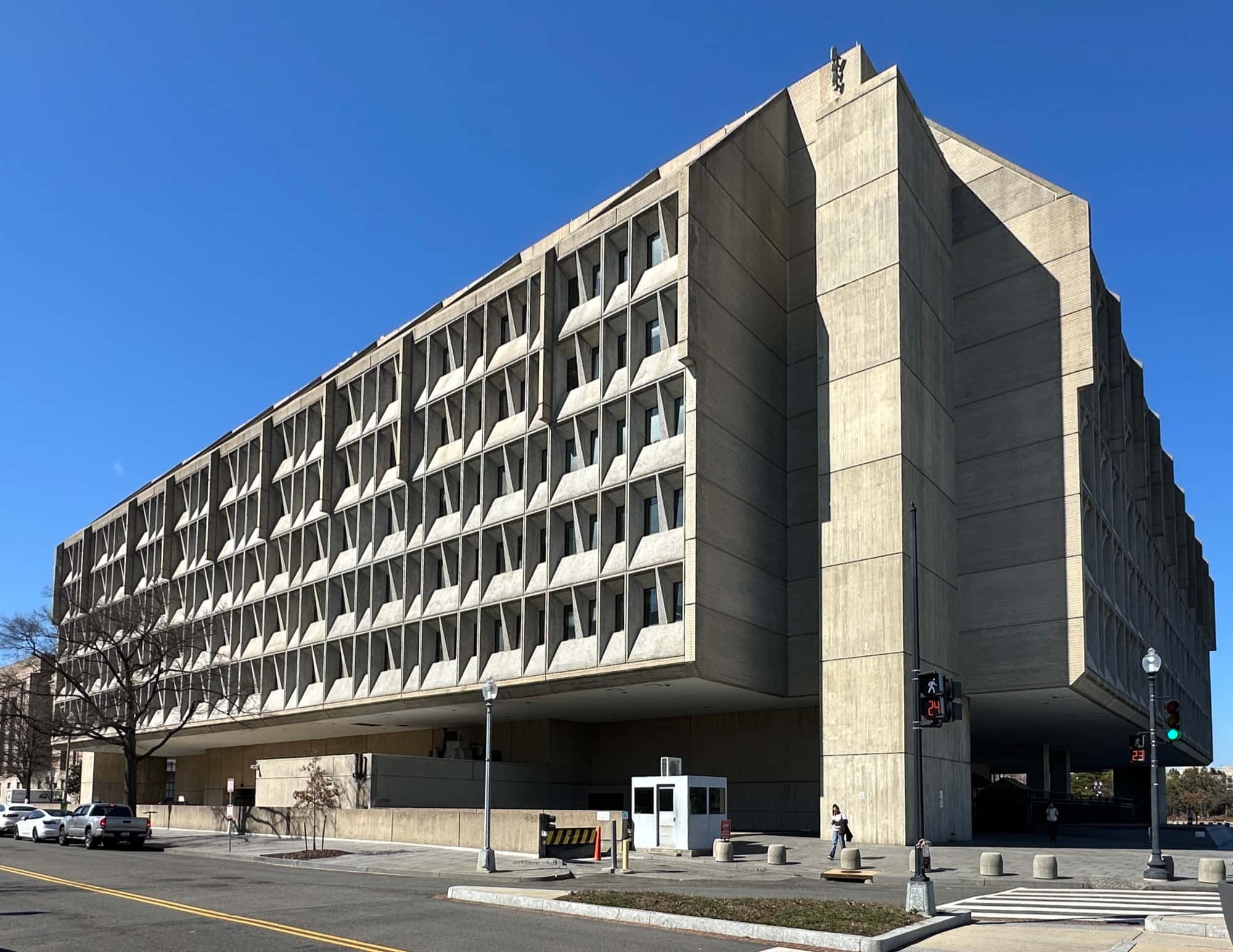
U.S. Department of Health and Human Services headquarters

The revolving door

3,500

FDA employees cut — nearly 20% of the agency’s workforce

Case 05

Promised: Close the revolving door

The revolving door spins faster, not slower

Kennedy installed pharmaceutical executive George Tidmarsh to run the FDA’s powerful drug-review center, while former FDA drug chief Patrizia Cavazzoni left the agency and rejoined Pfizer within months — the exact “revolving door” Kennedy vowed to close.

STAT reported that the revolving door was spinning faster, not slower, with scores of FDA drug reviewers fleeing to industry jobs and former commissioner Scott Gottlieb estimating up to 600 staff had recused themselves from drug approvals involving their former employers. Rather than target industry influence, Kennedy’s HHS restructuring cut roughly 3,500 FDA employees — nearly 20% of the agency’s workforce.

3 sources cited

Conflicts

Undisclosed

to Congress: his vaccine-lawsuit stake went to his old firm — where his son works

Case 06

Kennedy’s ethics “fix” was a sham

Facing conflict-of-interest concerns during his confirmation, Kennedy pledged to divest his financial stake in vaccine-injury lawsuits he’d brought against HPV vaccine Gardasil’s manufacturer before joining government, agreeing to transfer it to his adult son.

Democratic senators say they’ve since learned Kennedy instead quietly assigned that stake to his former employer, the personal injury firm Wisner Baum — where his son Conor now works — without disclosing the change to Congress. The conflict is direct: Wisner Baum’s payout from those cases depends on vaccine-injury litigation and policy that Kennedy, as HHS Secretary, now has direct authority over.

1 source cited

Lobbying

+$100M

jump in healthcare industry lobbying from 2024 to 2025

Case 07

Industry cashes in across the board

Healthcare industry lobbying spending jumped by more than $100 million from 2024 to 2025 — a sign, as one analysis put it, that industry insiders “are not frightened by these changes. They are capitalizing on them.”

2 sources cited